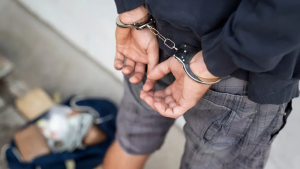
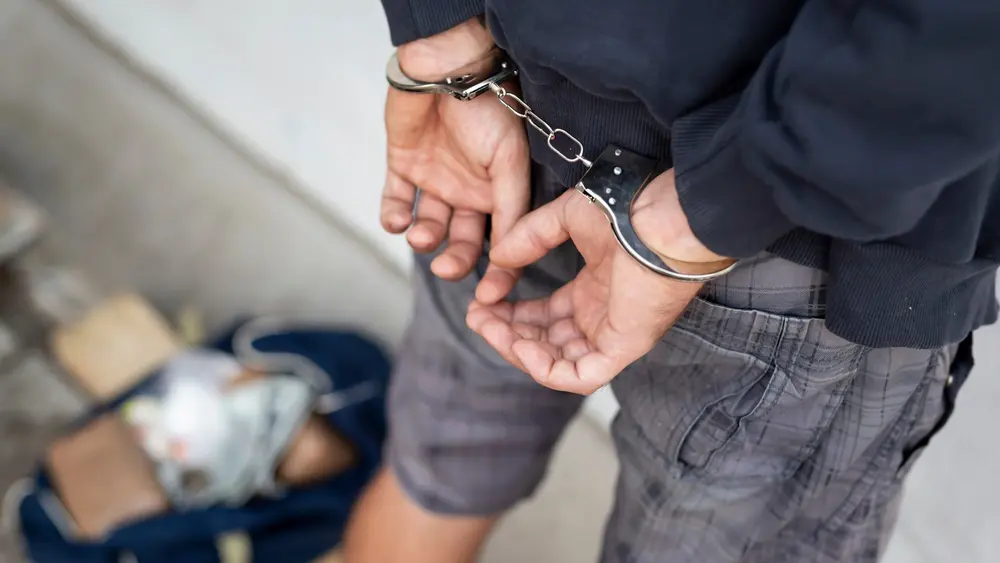
“Criminalisation of drug use pushes those convicted of offences related to possession and use into criminal justice systems which are often biased against certain racial groups, women, and LGBTQ+ people. For example, in the USA, Black people are more likely to be incarcerated for drug offences than White people, and for Black women the probability is greatest. Incarceration can carry its own HIV-associated and, ironically, substance-related risks, with limited access to harm reduction and exposure to new forms of drug use.”
Read more at The Lancet
-
-
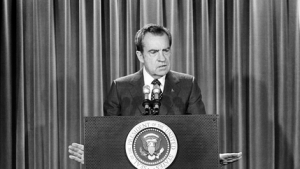
Since President Donald Trump issued a July 2025 executive order aimed at “ending crime and disorder on America’s streets,” national attention has increasingly focused on involuntary treatment as a response to visible homelessness and drug use.
A few months later, in September 2025, officials in Utah announced plans for a 16-acre facility on the edge of Salt Lake City that would hold up to 1,300 people experiencing homelessness after they are removed from public spaces and offered a choice: the facility’s abstinence-based shelter or jail time. The facility also plans to include 300 to 400 beds reserved for involuntary treatment, for adults who have psychiatric and substance use disorders.
Supporters of this facility describe it as a humane alternative to the streets, while detractors liken it to prison.
Since the release of the executive order, other proposals for expanding involuntary treatment for adults with substance use disorder have been cropping up across the U.S., including in New Jersey, Washington state and New York state.
I am a licensed clinical psychologist, substance-use treatment professional and researcher at the University of Washington. Throughout my three decades in the field, my research has focused on what works when it comes to substance use treatment, including among people experiencing homelessness.
I started reading research on involuntary treatment in 2018, when Ricky’s law – Washington’s version of involuntary treatment – was implemented where I live and work.
-
Can a marijuana user be banned from having a gun? How about someone who regularly takes Adderall, Ambien or ayahuasca?
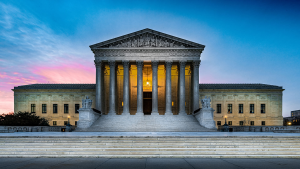
The Supreme Court wrestled with those questions on Monday during arguments over the constitutionality of a federal law that bars drug users and addicts from owning or possessing guns.
A majority of the justices voiced concerns that the federal gun law may be overbroad, lumping together occasional drug users with people addicted to drugs who threaten public safety.
“Is it the government’s position that if I unlawfully use Ambien or I unlawfully use Xanax, then I become dangerous?” Justice Amy Coney Barrett asked a lawyer for the Trump administration, which is arguing to uphold the current law.
Read more at the New York Times -
Cartel leaders assassinated. Fast boats intercepted in the Caribbean. Coast Guard cutters in the Pacific. Vessels destroyed from the air. Last weekend, Mexican forces—with CIA intelligence support—killed “El Mencho,” leader of the Jalisco New Generation Cartel; within hours, retaliatory violence erupted across Mexico. Since September 2025, the Pentagon’s Operation Southern Spear has conducted more than 40 strikes on small boats suspected of carrying drugs, killing around 150 people. The images are designed to look decisive, muscular and tough.
This approach, according to the economics of illegal markets, is almost certainly making the problem worse.
Read More -
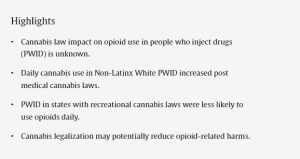
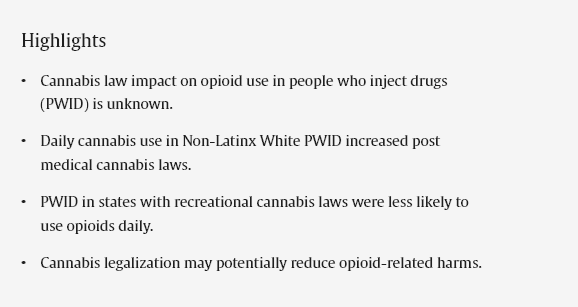
The role of cannabis reform in shaping North America’s overdose and addiction crisis remains hotly contested. People who inject drugs (PWID) sometimes substitute cannabis for opioids. Yet, no research has examined the effects of cannabis legalization on opioid use among PWID– despite major potential for PWID to benefit from policy interventions reducing opioid-related harms. We examined whether legalizing cannabis for medical use (MCL) vs. both MCL and adult/recreational use (MCL+RCL) was associated with changes in substance use among PWID, overall and by sex and race/ethnicity.
-
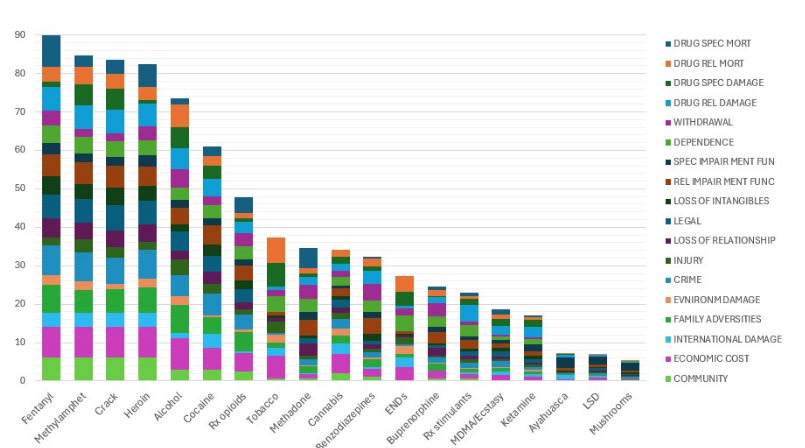
These findings add to the growing international literature highlighting how drug policy contradicts expert assessments of drug harms across nations. To reduce these harms, public health strategies informed by evidence and expert input should be prioritized over punitive approaches.
Read More -
With over 55 million cannabis fans in America, 2025 was a year of big wins and stinging losses. From headway in the hash world and LA’s indoor farms to High Times’ resurgence and landmark findings in the scientific world, the ganja news came like a firehose in 2025, and here’s a distillation of the top items.
-
Over the past several months, the Trump administration has ramped up the War on Drugs by attacking boats from Venezuela that were allegedly bringing fentanyl to the United States. Much commentary has questioned the legality, humanity, and effectiveness of these measures and also expressed bewilderment at the relation between these actions and President Trump’s pardon of Juan Orlando Hernandez, the former president of Honduras, who was serving a 45-year sentence for cocaine trafficking.
Yet most discussion misses the fundamental point: the War on Drugs is, and always has been, a terrible policy.
Read More -
As 2025 comes to a close, the cannabis world is reflecting on the sometimes dizzying series of political, legal and cultural shifts that took place this year—and looking ahead to further developments that advocates and industry stakeholders will be navigating in the new year.
Read More